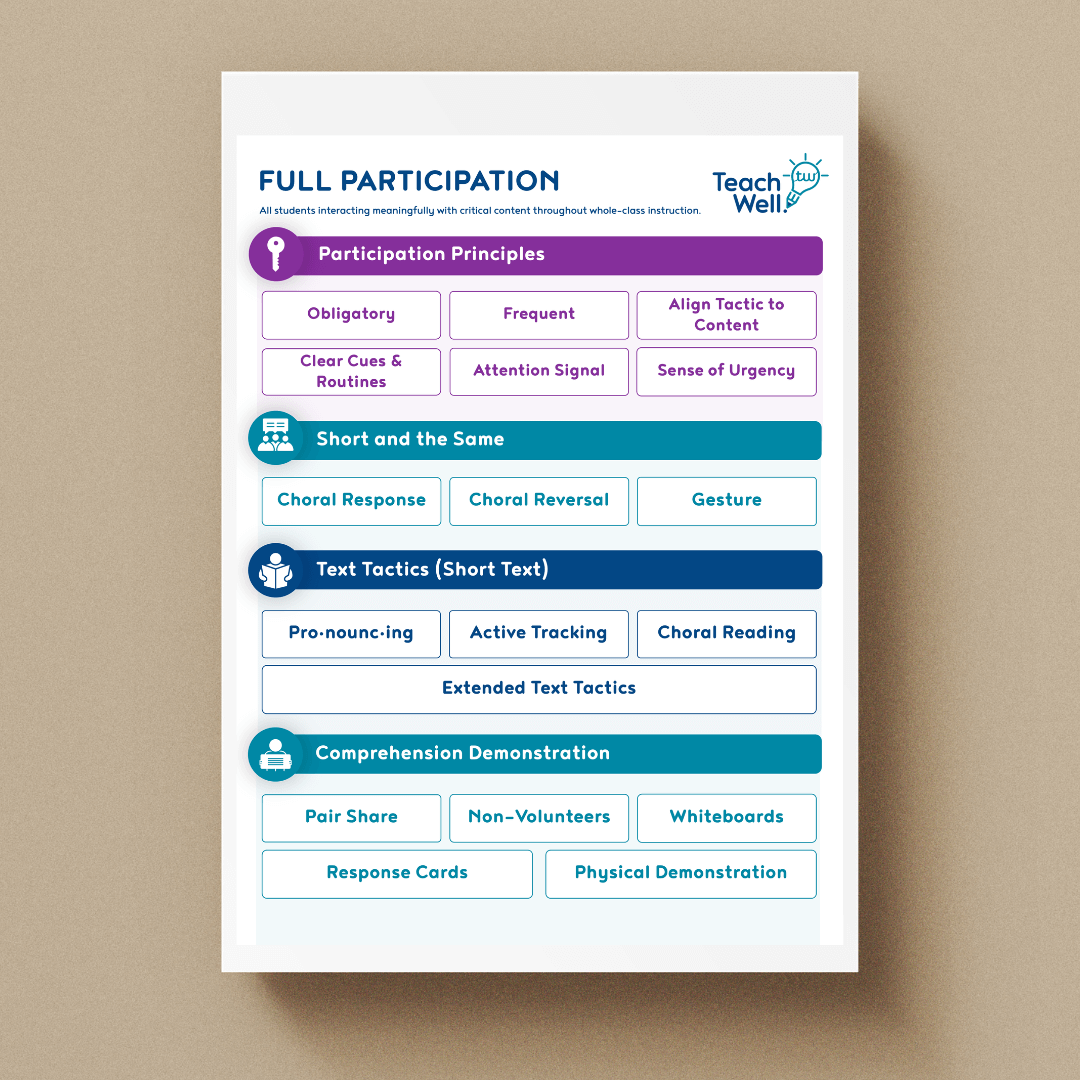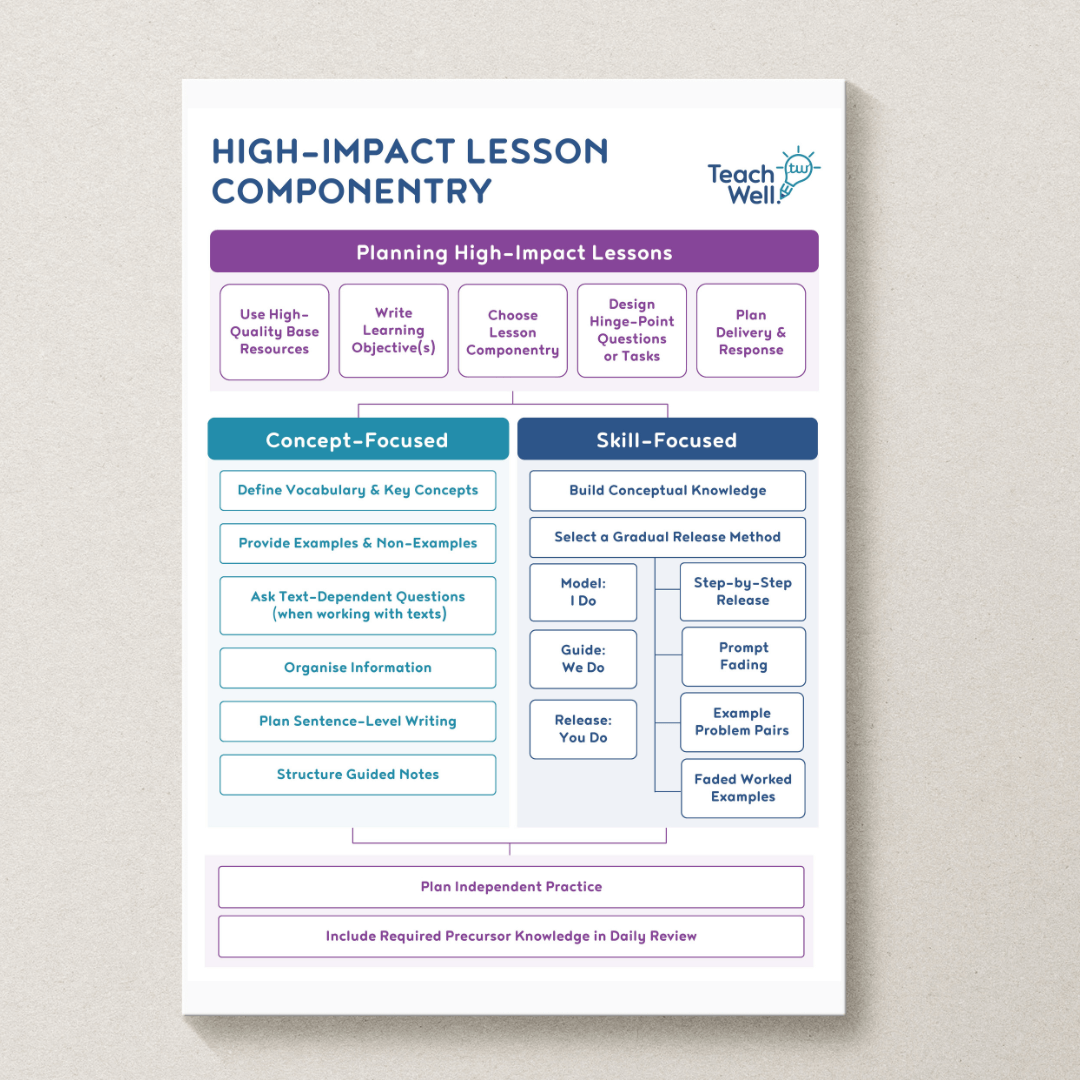

Top Tip – Active Tracking: Why Following the Text Matters as Much as Hearing It
Great teaching is built one small, deliberate move at a time. That’s the idea behind our Top Tips series, where we dive into the Teach Well Instruction & Coaching Companion and pull out one practical, high-impact strategy for you — something small you can put into practice straight away, but grounded in the bigger picture of what makes teaching effective.
Think of it as a bite-sized coaching moment: evidence-informed ideas designed to sharpen your practice and spark a few new possibilities for your classroom. We’ll keep them coming in future newsletters, so consider this your regular nudge to try something new, or to refine what you’re already doing, one step at a time.
Want the full picture behind these tips? Learn more or purchase your own copy of the Companion here.
This Week’s Top Tip: Active Tracking
Read-alouds are a staple of classrooms at every year level, from picture books in the early years to shared novel studies in high school. But there’s a simple addition that turns a read-aloud from a passive listening exercise into an active literacy strategy: having students visually follow the text while the teacher reads it aloud with prosody and intonation.
This is Active Tracking. It costs nothing, takes no extra prep, and can be layered into almost any lesson that involves a shared text — yet it meaningfully changes how much students take away from the reading.
What does the research tell us?
Tracking the text as the teacher reads provides students with a model of fluent reading, helps them navigate challenging words, and supports comprehension. It also encourages students to remain engaged and focused on the text.
When a teacher reads with genuine prosody — the natural rhythm, stress, and intonation of fluent speech — students hear what skilled reading actually sounds like: where sentences pause, how a question’s tone rises, how a character’s dialogue is voiced. Pairing that model with visual tracking means students aren’t just absorbing the sound of fluent reading passively; they’re connecting each spoken word to its written form in real time. That connection is what builds the bridge between decoding and comprehension, especially for students still consolidating their word recognition.
What’s the goal?
Active Tracking helps students stay engaged with the text while building understanding, focus, and retention. It supports students in connecting what they hear with what they see, while providing a clear model of fluent reading.
Three benefits tend to show up together when the strategy is used consistently:
- A live model of fluency. Students internalise what proficient reading sounds and looks like — pacing, expression, and how punctuation shapes meaning — simply by tracking alongside a strong reader.
- Stronger word-to-meaning connections. Seeing a word at the exact moment it’s spoken helps students decode unfamiliar vocabulary in context, rather than skipping over it or losing the thread of meaning.
- Sustained engagement. Tracking gives students something active to do during the read-aloud, rather than just listening, which keeps attention anchored to the text for longer.
Three things to consider in doing it well
- Select an appropriate tracking technique for your students. Younger students often benefit from a physical anchor — a finger, pencil, or tracking card moving under the text — because it’s concrete and easy to check. As students develop stronger reading skills, this can shift to eye-tracking alone, which is faster and better matches independent reading habits.
- Model the technique clearly and encourage consistent use. Don’t assume students know how to track effectively — show them. Demonstrate on a shared screen or big book, pointing out how your finger or eyes move with the pace of the reading, and set the expectation that tracking happens every time a text is read aloud, not just occasionally.
- Monitor and reinforce as skills develop. A quick scan of the room while reading tells you a lot: are students’ eyes or fingers actually moving with the text, or has attention drifted? Offer gentle corrective feedback in the moment, and adjust the technique as students mature — moving a student from finger-tracking to eye-tracking once they’re ready is a sign of progress, not something to enforce as a fixed rule.
Making it stick
Active Tracking works best as a default habit rather than an occasional add-on. Build it into every shared reading moment — read-alouds, shared texts, even reading instructions aloud — so it becomes automatic for students rather than a strategy they have to be reminded to use. Over time, that consistency is what turns a simple tracking habit into stronger fluency, comprehension, and focus across the board.
Want more practical, evidence-based strategies like this one? Explore our courses to build your teaching toolkit.